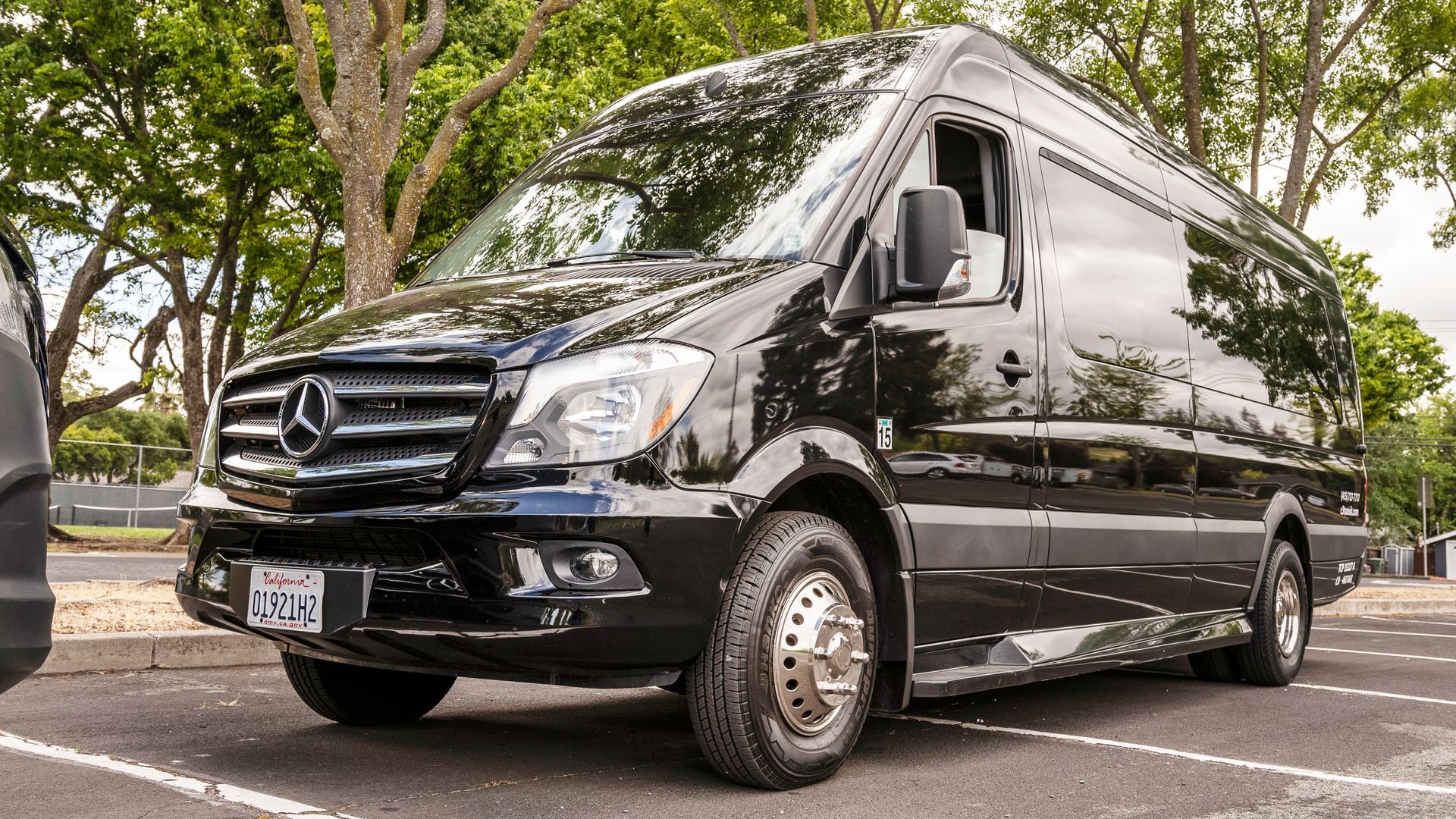
Coordinated group travel serves a vital purpose in today’s transportation landscape, providing dependable access to daily activities. Passengers rely on more than simple convenience, whether they are commuting for professional, social, or organized events. Safety, comfort, and professionalism remain central to every successful transportation experience. Structured group transportation minimizes tension, promotes effective travel, and contributes to overall satisfaction. When safety is prioritized, passengers can focus on their journey with confidence. This commitment to protection and reliability forms the foundation of every dependable transportation service.
At Code 3 Transportation, safety is treated as a continuous process rather than a one-time effort. All policies, procedures, and operational choices demonstrate a focus on accountability and traveler well-being. Group commuting requires coordinated planning, consistent training, and proactive management to meet evolving expectations. Meticulous oversight allows service providers to maintain safe settings that foster confidence. This article explores the essential safety measures that shape high-quality group commuting services. Sections below demonstrate how adherence to standards ensures consistent, safe transportation outcomes.
Extensive Operator Education and Licensing
Professional drivers serve as the foundation of any safe group commuting system. Thorough driver education guarantees familiarity with defensive driving, regulatory compliance, and effective passenger interaction. Periodic testing strengthens adherence to safety protocols and operational consistency. Instruction also covers hazard recognition, fatigue management, and situational awareness. Through structured learning, drivers develop confidence in handling diverse road conditions. Careful preparation mitigates risks and reinforces trust in daily operations.
Ongoing education plays a critical role in maintaining high standards over time. Drivers continue development with ongoing courses and evaluations post-certification. These initiatives support adaptation to updated laws and current safety requirements. Effective interpersonal training promotes courteous and safe passenger engagement. When drivers remain informed and engaged, they respond more effectively to unexpected situations. Persistent professional development improves commuter assurance and performance consistency.
Strict Vehicle Evaluation and Servicing
A well-maintained vehicle is essential for safe group transportation. Routine inspections identify mechanical issues before they escalate into serious problems. Brake systems, tires, lighting, and steering components receive thorough evaluations. Proactive upkeep plans minimize in-service failures. This proactive approach protects both passengers and drivers. Consistent inspections demonstrate a commitment to long-term reliability.
Fleet upkeep protocols include thorough tracking and managerial oversight. Comprehensive logs help monitor trends and correct repeated faults. Technological analysis aids in anticipating mechanical failures. Neat and well-kept vehicles create a safer, more pleasant journey. Properly operating vehicles substantially lower safety risks. This disciplined approach reinforces trust in the transportation system.
Cutting-Edge Safety Devices and Oversight
Current tech solutions improve conventional safety methods. Real-time vehicle monitoring tracks speed, stopping behavior, and driving trends. These tools help identify areas for improvement and reinforce responsible behavior. Satellite navigation aids route optimization and emergency preparedness. Detection and recording systems improve overall monitoring and accountability. Together, these technologies create an additional layer of protection.
Technology also supports proactive management strategies. Data analysis reveals trends that guide training and maintenance decisions. Automated alerts notify supervisors of irregular activity or mechanical concerns. Digital communication platforms streamline coordination between drivers and dispatch teams. By integrating intelligent systems, transportation providers strengthen situational awareness. Advanced tech ensures uniform performance and responsible management.
Well-Defined Passenger Safety Standards
Establishing clear passenger guidelines supports safe and orderly commuting. Policies address seating arrangements, entry and exit procedures, and personal conduct expectations. Educational resources guide commuters on their expected behavior while traveling. Code 3 Transportation emphasizes transparent communication to encourage cooperation and mutual respect. Informed travelers are more likely to comply with safety and conduct guidelines. Mutual commitment to guidelines strengthens overall passenger security.
Staff members reinforce these protocols through courteous reminders and consistent enforcement. Signs and spoken guidance help passengers understand procedures conveniently. Key areas such as exits, restraints, and baggage placement are emphasized. Organized routines minimize crowding and promote passenger ease. A predictable environment enhances comfort and minimizes potential hazards. These practices support smooth and efficient operations.
Contingency Planning and Emergency Response
Effective emergency planning prepares teams to respond calmly and efficiently. Guidelines specify steps for health emergencies, vehicle malfunctions, and environmental threats. Regular drills familiarize drivers and staff with these procedures. Clear reporting structures enable swift team mobilization. Preparation reduces uncertainty during high-pressure scenarios. A proactive approach preserves passenger safety and service reliability.
Readily available equipment supports quick and safe responses. Medical supplies, firefighting tools, and communication gear are kept on hand. Staff members receive training on proper equipment usage. Structured communication protocols streamline coordination with emergency services. Documentation and review follow each incident to strengthen future responses. These steps cultivate stronger organizational capacity for emergencies.
Vehicle Cleanliness and Environmental Safety Guidelines
Well-kept vehicles protect health and provide a comfortable commuting experience. Frequent cleaning focuses on touchpoints and communal areas. Airflow and ventilation are regularly serviced to support passenger health. Proper trash handling mitigates contamination and clutter. Hygienic measures improve comfort and safety during travel. Tidy, sanitized vehicles communicate high service standards.
Eco-conscious practices contribute to safe group travel. Proper disposal of materials and responsible vehicle operations reduce environmental impact. Staff members receive guidance on sustainable practices. Cleanliness policies align with broader wellness objectives. When passengers feel safe and comfortable, overall satisfaction increases. This holistic approach enhances long-term service quality.
Performance Evaluation and Continuous Improvement
Regular reviews guarantee that operational standards stay rigorous. Frequent evaluations monitor operator conduct, vehicle upkeep, and workflow efficiency. Response channels support team involvement in continuous enhancement. Information-based evaluations inform strategic improvements. Transparent evaluation promotes accountability at every level. Performance frameworks cultivate continual improvement and operational reliability.
Ongoing development draws insight from past outcomes. Documentation of events and traveler input reveal improvement opportunities. Management teams analyze trends to identify opportunities for refinement. Training programs evolve based on observed needs. Adaptability strengthens organizational resilience. Continuous monitoring ensures lasting efficiency and safety.
Creating a Safety-Centered Organizational Environment
Safety-focused organizational culture blends rules, processes, and staff diligence. Executive involvement establishes expectations for safe conduct. Staff are guided to make safety-conscious choices consistently. Clear pathways for communication enhance staff collaboration and accountability. Recognition programs reinforce positive behavior. Unified commitment to safety fosters resilience and ethical operations.
Code 3 Transportation integrates safety principles into every aspect of service delivery. From recruitment to daily operations, standards remain limousine booking consistently reinforced. Employees understand that passenger well-being is a shared mission. Continuous learning and mutual respect guide professional conduct. Maintaining these standards ensures consistent, trustworthy transportation. Prioritizing safety builds enduring confidence and superior performance.